Rediscovering Charm: Bicycle Backgrounds Vintage Wall Art
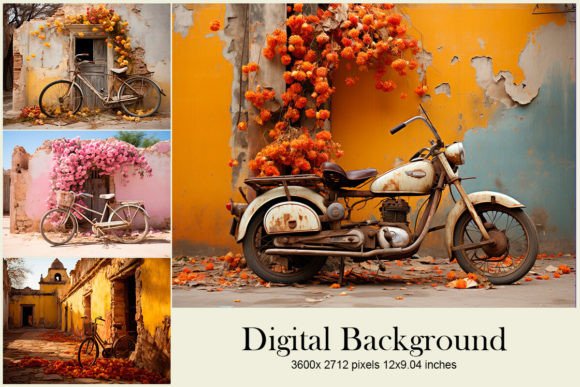
There is a distinct nostalgia associated with vintage cycling. It conjures images of leisurely Sunday rides, hand-painted signage, and the elegant geometry of steel frames. For designers and creatives, capturing this specific aesthetic can be challenging without the right visual assets. This is where Bicycle Backgrounds Vintage Wall Art enters the conversation. It is not merely a collection of images, but a curated set of high-resolution digital papers designed to infuse your projects with a sense of history and tactile warmth. Understanding how to leverage these backgrounds effectively can elevate your work from simple to sophisticated.
The Visual Character of Vintage Cycling Aesthetics
At its core, this collection offers a visual language rooted in the late 19th and early 20th centuries. The backgrounds typically feature muted color palettes—think aged creams, dusty blues, and weathered greens—combined with intricate line art, typography reminiscent of old advertisements, and textures that mimic worn paper or distressed surfaces. The personality is one of authenticity and quiet elegance. It avoids the slick, digital perfection of modern design in favor of something that feels handcrafted and enduring. The style is versatile enough to feel romantic and artistic, or rugged and utilitarian, depending on the specific sheet you choose from the set.
This type of vintage wall art functions as more than just a decorative element. It acts as a foundational layer that sets an entire mood. When you place a modern product or piece of typography against one of these backgrounds, you instantly create a contrast that draws the eye. The background provides context and depth, suggesting a story behind the main subject. This is particularly powerful in brand identity work, where establishing an emotional connection is paramount. A brand that uses these backgrounds signals an appreciation for quality, tradition, and timeless style.
Strategic Applications for Creatives and Businesses
The true value of a digital design asset like this lies in its adaptability. For graphic designers and brand strategists, these backgrounds are invaluable for creating cohesive visual systems. Imagine designing a menu for a café that prides itself on artisanal coffee. Using a Bicycle Backgrounds sheet as the menu's base immediately communicates a vintage, crafted vibe. Similarly, for packaging design, these papers can become the literal wrapping for products, transforming a simple box into a piece of art that enhances the unboxing experience.
In the digital realm, the applications are equally robust. Web designers can use these high-resolution JPGs as hero image backgrounds on landing pages, especially for businesses in the lifestyle, travel, or handmade goods sectors. The 300 DPI quality ensures they remain sharp even on large displays. For social media graphics, these backgrounds provide a consistent and recognizable aesthetic. A series of Instagram posts or Facebook ads using these vintage papers will stand out in a feed dominated by sterile, flat-color designs. Bloggers and content creators can use them to create unique featured images, newsletter headers, or digital stationery that reinforces their personal brand.
For those in print publishing, such as scrapbookers, journal makers, or indie publishers, the utility is straightforward. Print them on high-quality cardstock to create beautiful covers, dividers, or full-page layouts. The 12" x 9.04" sheet size is practical for standard printing and easily adjustable. Entrepreneurs and small business owners can leverage them for point-of-sale materials, business cards, or thank-you notes that leave a lasting impression of care and attention to detail.
Integrating Vintage Assets with Modern Typography
A common challenge when working with rich, textured backgrounds is ensuring your primary content remains legible and impactful. This is where thoughtful font pairing becomes critical. The vintage style of the Bicycle backgrounds often works best when contrasted with clean, modern typography. Consider pairing them with a geometric sans serif font for headlines. The clean lines of a typeface like Futura or Helvetica create a striking counterpoint to the ornate, aged textures, resulting in a balanced and professional visual hierarchy.
Alternatively, for projects that lean fully into the vintage theme, a sturdy serif font with moderate contrast, such as a transitional design, can complement the background's character without competing with it. The key is to test different combinations. Place your chosen typeface over the background and evaluate its readability at various sizes. Often, adding a subtle drop shadow, a semi-transparent overlay panel, or simply choosing a background with a less busy pattern in the text area can solve legibility issues. This process of testing is non-negotiable for maintaining professionalism.
Remember, the goal is not to mimic the past exactly, but to use its aesthetic to enhance a contemporary message. The Bicycle Backgrounds Vintage Wall Art provides the texture and emotion; your job as a designer is to apply it with strategic intent. Whether you are crafting a logo design for a boutique brand, developing editorial design for a magazine feature, or creating a series of social media graphics, these assets offer a bridge between historical charm and modern clarity. They are a tool for building recognition and fostering audience engagement through a visual style that feels both familiar and refreshingly distinct. By understanding their personality and applying them thoughtfully, you unlock a powerful way to tell deeper, more resonant stories through your work.