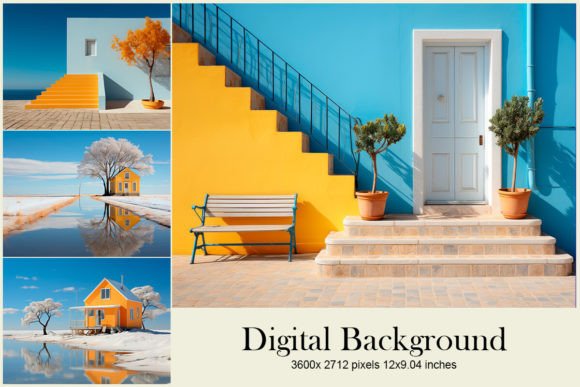
House Backgrounds: Digital Wall Art for Every Surface
When we talk about interior design or staging a property, the background is everything. It sets the mood, establishes the era, and anchors the furniture. In the world of graphic design and digital crafting, the same rules apply. A stunning product mockup or a scrapbook page often lives or dies by its backdrop. This is where high-quality digital assets, specifically House Backgrounds Home Wall Art Wallpape, become indispensable tools for professionals and hobbyists alike. However, there is a crucial distinction to make immediately: this is not a physical roll of wallpaper you hang with paste. It is a high-resolution digital asset designed for sublimation, printing, and digital composition.
The Anatomy of a Digital Backdrop
To understand the value of this product, we have to look past the name and examine the file structure. When you acquire the House Backgrounds Home Wall Art Wallpape set, you are purchasing a premium font of visual textures—specifically, a set of four distinct JPG files. These aren't just standard images; they are formatted at 300 DPI (dots per inch). In the printing world, 300 DPI is the gold standard for clarity. If you were to print these designs at a lower resolution, the image would pixelate, losing the crispness required for professional work.
The specific sheet size of 12" x 9.04" is a deliberate choice. While it fits standard letter sizes well, the true power lies in the resolution. Because these are high-quality raster images, you can scale them down without losing quality, and in many cases, scale them up slightly for specific print applications. The "digital paper" aspect refers to the seamless or tiled nature of the patterns. Just like a sans serif font pairs well with a serif font to create contrast, these backgrounds are designed to complement foreground elements—be it typography, portraits, or product shots—without overwhelming them.
Visual Personality and Style
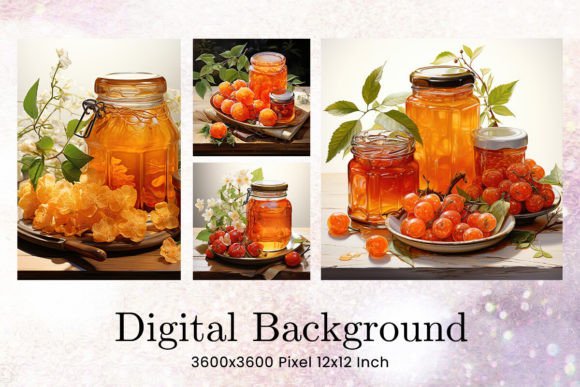
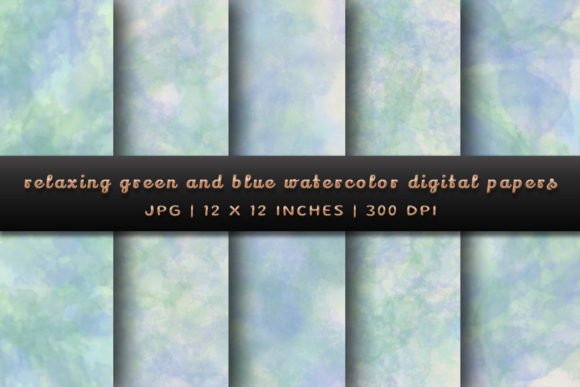
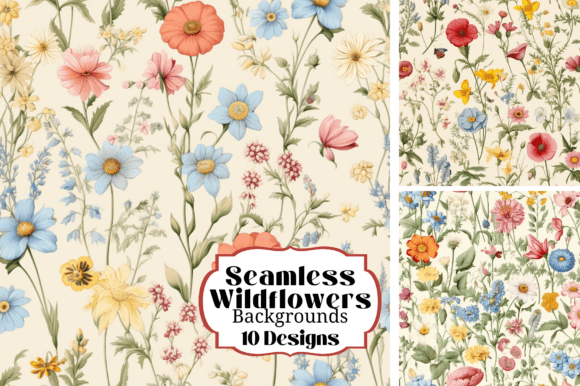
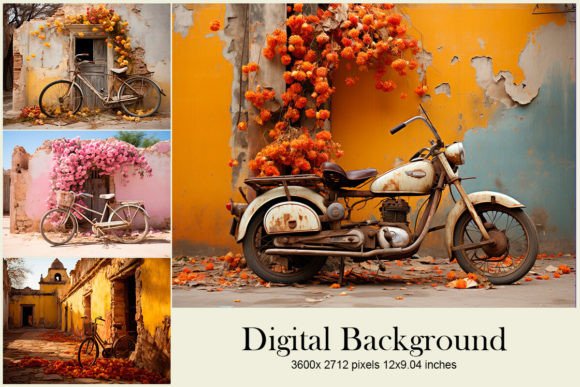
The aesthetic of House Backgrounds Home Wall Art Wallpape typically leans towards the atmospheric. These are not flat, single-color swatches. Instead, they simulate the look of actual wall art or textured surfaces. You might find distressed wood effects, subtle brick textures, or artistic interpretations of home interiors. This visual complexity gives the file a "lived-in" feel, which is vital for brand identity. A flat white background feels sterile; a textured wall background feels real. It adds a layer of professionalism to social media graphics and web design that flat colors often cannot achieve.
Strategic Applications: From Sublimation to Branding
The versatility of these files is where the return on investment truly lies. The prompt mentions "sublimation," which is a specific printing process where heat transfers dye onto materials like ceramics, fabric, or metal. However, the application goes far beyond mugs and t-shirts.
For the Graphic Designer and Brand Strategist:
If you are building a logo design presentation or a pitch deck, you need context. Placing a logo on a plain canvas doesn't show how it interacts with the real world. By using a House Backgrounds Home Wall Art Wallpape file, you can mock up a logo as if it were framed art hanging in a stylish living room. This is a subtle but powerful way to influence brand perception. It tells the client, "This is how your brand fits into your customer's life." It transforms a flat vector into a tangible asset.
For the Content Creator and Blogger:
Visual hierarchy is the backbone of good editorial design. When writing a blog post, you need images that draw the eye but don't distract from the text. These digital papers serve as excellent backgrounds for quote graphics, headers, or sidebar elements. Because the files are 300 DPI JPGs, they maintain readability even when text is overlaid, provided you choose the right color contrast. A textured background adds depth to packaging design concepts or digital stationery without the cost of a photographer.
For Crafters and Hobbyists:
The "Scrap-booking" mention in the product description is key. In the physical world, scrapbook paper is expensive and limited. Digitally, you have infinite copies. You can use these files as the base layer for a digital scrapbook or print them out to create physical greeting cards, tags, and wrapping paper. The ability to adjust the size means you aren't restricted to a 12x12 format; you can tile it for a small gift tag or expand it for a poster.
Technical Considerations and Workflow Integration
Adopting new design assets requires a bit of technical forethought. The most important caveat provided is that colors vary between screens and printers. This is a fundamental truth of modern typography and graphic design. A RGB image (how screens display color) often looks different when converted to CMYK (how printers read color).
Before you commit to a large print run using the House Backgrounds Home Wall Art Wallpape files, you must test. Print a small section on your specific printer using your specific paper or substrate. This "proofing" step ensures that the moody, atmospheric tones of the digital file translate accurately to physical reality.
Furthermore, consider the file format. JPGs are "lossy" files, meaning they compress data. While 300 DPI is high quality, every time you save a JPG, you lose a tiny bit of data. A pro tip is to work in a lossless format (like PSD or TIFF) while editing and only export to JPG at the final stage. Since you are receiving JPGs, treat the original files as your "masters"—never edit the original file directly. Always duplicate it and work on the copy to preserve the integrity of the background.
Maximizing Visual Hierarchy and Engagement
Why does a background matter so much to engagement? It’s about psychology. A chaotic background makes text hard to read, leading to eye strain and high bounce rates. A boring background fails to stop the scroll on social media. House Backgrounds Home Wall Art Wallpape strikes a balance. The texture provides visual interest (stopping the scroll), while the "home" aesthetic provides a sense of comfort and familiarity.
When using these assets, apply the principles of visual hierarchy. If you are overlaying text, ensure the font style contrasts with the texture. If the background is a rough brick, a clean, geometric sans serif font creates a beautiful tension. If the background is a soft, watercolor wash, a flowing script font or handwritten font might feel more cohesive. The background dictates the mood of the typography.
Final Thoughts on Utility
The value of a digital asset is measured by its utility. House Backgrounds Home Wall Art Wallpape is not just a decorative element; it is a functional tool for staging, branding, and crafting. It bridges the gap between the digital screen and the physical world of print and sublimation. By understanding the technical specs—300 DPI, specific dimensions, and file format—and applying them to the right context, you can elevate a standard project into something that feels curated and professional. Whether you are designing a website header, a physical mug, or a digital scrapbook page, the background is the stage upon which your content performs.