Unlocking Elegance: A Designer's Guide to Silk Fabric Digital Papers
In the world of digital design, texture is often the missing ingredient that separates a flat, uninspired layout from a tactile, immersive experience. While we spend hours choosing the right typeface or display font for a project, the background often gets treated as an afterthought. However, for designers, scrapbookers, and brand strategists aiming for a high-end finish, the foundation of your canvas matters immensely. This is where the specific utility of Silk Fabric Digital Paper Backgrounds becomes a game-changer for a wide range of creative endeavors.
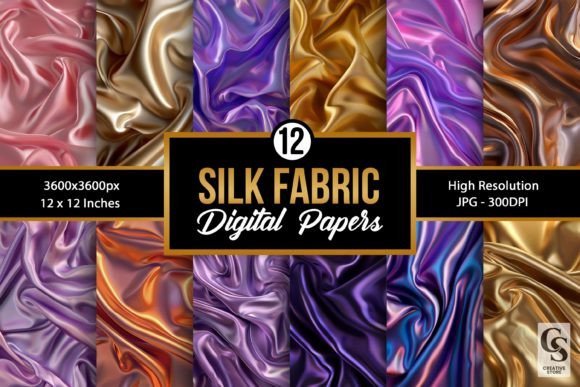
Unlike generic solid colors or harsh gradients, these digital assets replicate the subtle, organic nature of woven textiles. The collection described here offers a robust toolkit: 12 distinct digital papers in a single zip file, formatted as High-Resolution 300dpi JPGs at 3600 x 3600 pixels (12" x 12"). To the uninitiated, this might just sound like a set of images, but to the experienced creative professional, this represents a specific set of capabilities. The square aspect ratio is industry standard for scrapbooking and card making, but the applications extend far beyond that. Whether you are wrapping a digital product, designing a brand identity, or creating wall art, understanding the nuance of silk textures is key to utilizing them effectively.
The Aesthetic Power of Textured Backgrounds
The visual personality of silk is distinct. It is characterized by a soft luster, a fluid drape, and a weave that catches light in complex ways. When you use Silk Fabric Digital Paper Backgrounds, you are injecting a sense of luxury and softness into your work. This is particularly useful when you need to balance out the sharpness of modern typography. For instance, if you are working with a geometric sans serif font or a sharp serif font, placing that text over a silk texture can soften the corporate edge, making the design feel more approachable and human.
From a brand identity perspective, texture conveys emotion. A smooth, shiny silk texture suggests refinement, elegance, and premium quality—perfect for wedding planners, boutique fashion brands, or high-end cosmetic packaging design. Conversely, a more matte, raw silk texture can evoke a sense of organic, earthy authenticity. The key is that these backgrounds add depth. In an era where web design and social media graphics are increasingly flat and minimalist, introducing a subtle fabric texture can make your content stop the scroll. It provides a tactile illusion that engages the viewer's senses, encouraging them to linger on the image longer.
Practical Applications: From Print to Digital
The versatility of a 12" x 12" high-resolution asset cannot be overstated. For the crafter and hobbyist, the immediate application is obvious: these are perfect for scrapbook decorations, greeting cards, and DIY projects. The 300dpi resolution ensures that when you send these designs to a home printer or a professional print shop, the weave of the fabric remains crisp and clear, without pixelation. This is crucial for planners and journals where the user will be looking at the page up close.
However, for entrepreneurs and marketers, the applications are more strategic. Consider the unboxing experience. Gift wrapping paper is a tactile marketing tool. By using these digital papers to create custom wrap, you elevate the perceived value of the product inside. Similarly, notebook covers and tumbler wraps are popular items in the print-on-demand market. A silk background provides a sophisticated base that requires very little additional ornamentation. You can simply overlay a gold-foil script font or a minimalist logo, and the product looks ready for a high-end boutique.
For digital creators, these files serve as excellent backgrounds/wallpapers for desktops or mobile devices, but they also work wonderfully as "noise" or texture overlays in photo editing. If you are a blogger or publisher creating editorial design layouts, using a silk texture behind pull-quotes or chapter headers can break up the monotony of text-heavy pages, aiding in visual hierarchy.
Strategic Integration and Design Guidance
Simply having the asset isn't enough; knowing how to integrate it into your workflow is what defines a professional result. When evaluating the fit of Silk Fabric Digital Paper Backgrounds for a project, you must consider readability. Silk has a natural sheen and weave pattern that can sometimes compete with text.
Design Observation: If you are placing body copy over a silk background, avoid thin, light-weight fonts. The texture of the weave can make thin strokes disappear. Instead, opt for a bold display font or a heavy weight sans serif font. For headings, a handwritten font or a script font often pairs beautifully with silk, as the irregularity of the handwriting mimics the organic nature of the fabric.
Here is a practical checklist for using these assets effectively:
- Test Your Font Pairings: Before finalizing a design, overlay your chosen typography on the silk texture. Ensure there is enough contrast. If the texture is busy, consider adding a semi-transparent shape (like a white box with 80% opacity) behind your text to ensure legibility.
- Color Management: The files are JPGs, so the color is baked in. However, you can easily manipulate them in software like Photoshop or Canva. Applying a "Multiply" blending mode can darken the texture to match your brand palette, while "Screen" can lighten it.
- Commercial Licensing: Since the prompt mentions a wide array of commercial uses (invitations, stationery, wall art), it is vital to understand the licensing of your design assets. Most digital paper packs allow for commercial use in physical end products (like a printed card) but usually restrict the resale of the digital file itself. Always verify the license to ensure your brand identity work is legally sound.
- Scale and Zoom: Because the files are large (3600px), don't be afraid to zoom in. You don't have to use the whole 12" square. Zooming in on a specific corner of the silk weave can create a completely different texture—perhaps a macro view of the threads—giving you more variety from a single file.
Elevating Your Creative Output
In the crowded landscape of modern typography and digital media, the details matter. The difference between a hobbyist project and a professional product often lies in the quality of the design assets used. Silk Fabric Digital Paper Backgrounds offer a way to add instant sophistication to social media graphics, packaging design, and editorial design without requiring advanced illustration skills.
For the small business owner, these textures can help create a cohesive aesthetic across multiple touchpoints—from the wall art in your studio to the digital invitations you send to clients. For the designer, they are a versatile tool in the asset library, ready to add depth to a logo design presentation or a website hero image. By focusing on the tactile quality of silk and respecting the technical specifications of the files, you can transform flat digital canvases into rich, engaging visual experiences. Whether you are wrapping a gift, designing a planner, or building a brand, the strategic use of texture is a timeless design principle that continues to deliver results.