Old Mushrooms Patterns Backgrounds: A Designer’s Guide
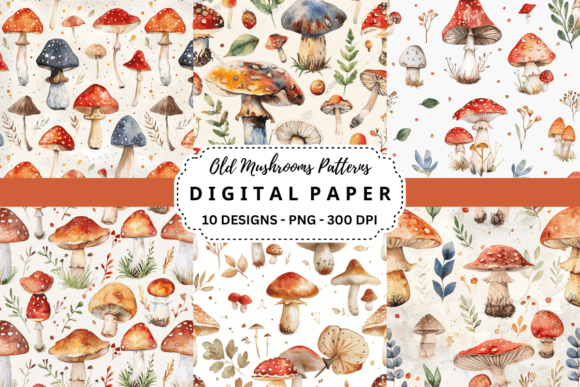
There’s something undeniably captivating about the intricate, slightly mysterious world of fungi. Old Mushrooms Patterns Backgrounds taps directly into that fascination, offering a unique collection of design assets that feel both organic and deeply artistic. This isn't just another set of generic textures. It’s a carefully curated library of 10 high-resolution PNG files, each at 3600 x 3600 pixels and 300 DPI, designed to bring a layer of natural, vintage-inspired depth to a wide array of projects. The visual personality is one of quiet elegance and earthy sophistication, perfect for creators looking to move beyond flat, digital aesthetics.
Visual Character and Stylistic Appeal
The core appeal of these backgrounds lies in their detailed, handcrafted quality. Each pattern captures the subtle veining of a mushroom cap, the delicate gills, and the organic, irregular shapes found in nature. The color palettes tend toward muted, earthy tones—think warm umbers, soft greys, creamy ivories, and deep forest greens. This creates a versatile foundation that doesn’t overwhelm foreground elements. The style bridges the gap between vintage botanical illustration and modern surface pattern design, making it a surprisingly flexible creative font for the visual world. It’s a premium font resource that adds instant texture and narrative.
As a design asset, its strength lies in its ability to suggest a story. A background featuring these patterns can evoke feelings of a woodland walk, a cozy cottage aesthetic, or the quiet study of a naturalist. This emotional resonance is a powerful tool in any designer’s toolkit, influencing brand perception and audience engagement on a subconscious level.
Where These Patterns Shine: Practical Applications
The true value of a design resource is measured by its utility. Old Mushrooms Patterns Backgrounds excels across a broad spectrum of applications, proving its worth for both personal and commercial projects. For social media graphics, these textures provide a rich backdrop for quotes, announcements, or product features, stopping the scroll with their organic detail. They are perfect for poster & banner design, lending a sophisticated, artisanal feel to event promotions or gallery walls.
- Print on Demand & Packaging: Ideal for creating unique wrapping paper, notebook covers, or product labels for artisanal goods like candles, teas, or skincare. The patterns add perceived value and a story-driven quality.
- Editorial & Publishing: Use them as chapter backgrounds in editorial design for books, magazines, or planners. They set a tone for nature writing, fantasy genres, or lifestyle content without distracting from the text.
- Branding & Identity: A subtle pattern can become a key part of a brand identity. Imagine a bakery or a café using a muted mushroom pattern on their menus, loyalty cards, and website background to reinforce an earthy, organic vibe.
- Digital Projects: Enhance website hero sections, email newsletter headers, or digital scrapbooking projects. The high resolution ensures they look crisp on all screens.
- Invitations & Craft: Perfect for scrapbooking, greeting cards, and invitations card design for weddings or events with a botanical theme.
Integrating with Typography and Design Strategy
Pairing these intricate backgrounds with the right typeface is crucial for maintaining visual hierarchy and readability. Because the patterns are detailed, they work best as a supporting actor. Your primary text or logo design element needs to stand out clearly. This is where thoughtful font pairing comes in.
For headings or logos, consider a clean, bold sans serif font or a classic serif font with good contrast. A strong, simple typeface will anchor the design and ensure your message is legible against the textured background. Avoid overly ornate script fonts or thin, delicate handwritten fonts for body copy, as they can get lost in the pattern. Instead, use them sparingly for accents or subheadings if the overall style demands it.
From a branding perspective, using these backgrounds consistently helps build recognition. A fashion brand targeting an earth-conscious audience might use them in all their social media graphics to create a cohesive, recognizable look. This consistency strengthens the brand identity and communicates a clear aesthetic to the audience. The key is to use the pattern to enhance, not compete with, your core message and typography.
Choosing and Using These Assets Wisely
Before diving in, take a moment to evaluate your project’s needs. Consider the overall mood you’re aiming for. The vintage, natural feel of Old Mushrooms Patterns Backgrounds suits certain niches better than others. Always test the pattern with your chosen color scheme and fonts. Does the text remain easy to read? Does the background enhance the focal point or distract from it?
Remember to check the licensing for your intended use, especially for commercial projects like print on demand design projects or product packaging. The included files are high-resolution, so they are ready for large-format printing, but always ensure your final output settings match the source quality. By treating these patterns as a strategic component of your design system—rather than just a decorative afterthought—you can leverage their full potential to create memorable, professional, and engaging work that resonates with a natural, discerning audience.